Tár and Silence in the Novel
On what's not said, and why that might be everything

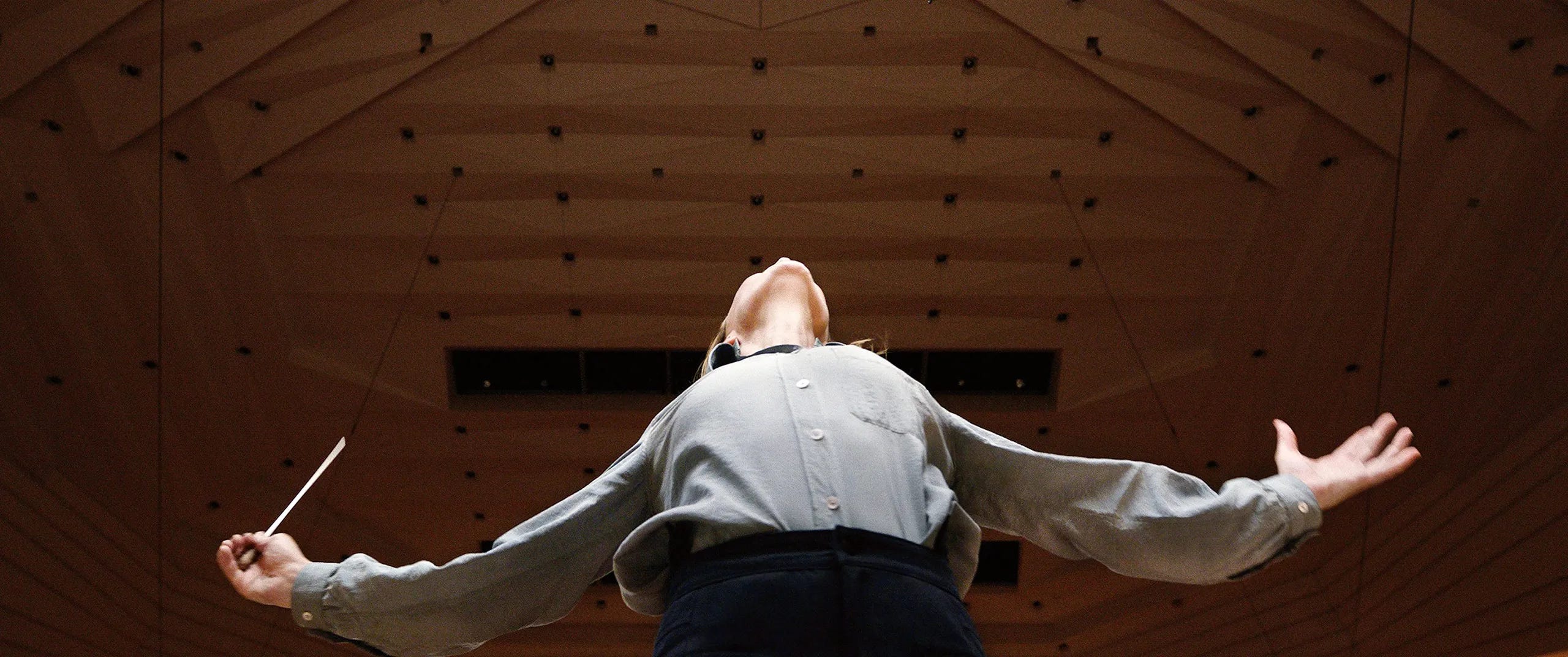
Tár is the kind of film I want to show to my writer friends and say: look! see what restraint is doing here.
The film is structured around ellipsis. We never see Lydia’s worst acts. We hear about them in fragments… email chains, a name mentioned once and then avoided, a protégé who exists only as absence. The accusations come from suggestion, from the slight hesitation in someone’s voice.
This isn’t coyness. It’s precision.
What the director/writer/producer Todd Field understood — and what Highsmith understood before him — is that the reader’s imagination generates a more damning portrait than anything explicit ever could. The moment you show the transgression in full, you fix it. You give the audience somewhere to put it. Ambiguity, in careful hands, isn’t vagueness. The reader holds the tension, and that holding is the experience.
In novel terms: what your protagonist doesn’t say is often more load-bearing than what she does. The sentence she thinks and doesn’t speak. The memory that surfaces but gets suppressed. The question she asks that is precisely, surgically not the question she means.
Nowhere does Lydia explain herself. She doesn’t confess. She performs certainty so completely that by the end you’re not sure whether the performance has consumed her sense of self entirely.
If we turn to Highsmith: Tom Ripley is compelling not because we understand him but because we can’t stop looking at him. There’s something just behind the surface that never quite comes forward. We read The Talented Mr. Ripley leaning toward the page, trying to catch Tom thinking wait, what the hell am I doing?, and Highsmith keeps denying us. That denial is the engine.
Zoe Heller’s Notes on a Scandal does something even stranger. Barbara Covett is a narrator who’s meticulous, clear-eyed, ferociously attentive to Sheba’s every weakness and motivation. What Barbara never quite accounts for is herself. Her own desires arrive sideways, in how she mistakes a younger colleague’s friendliness for courtship. We finish the novel knowing Sheba’s worst acts in granular detail and almost nothing true about Barbara. The blind spot becomes the portrait.
The mistake is confusing psychological complexity with what I’d call psychological explanation, or more crudely, exposition. We think: my character is disturbed, so I must show the disturbance working. But access is the enemy of unease. Part of the reason Ripley works is that we’re never clear about him. Readers don’t become attached to characters because they understand them completely. They become attached because they’re still trying to understand them. The art is in withholding just enough legibility that the character remains genuinely other, and therefore genuinely threatening.
In other words, your reader should finish slightly unsure of what they’ve been in proximity to. That uncertainty should feel earned, not withheld.
That’s the question worth writing toward. Not: who is my character? But: what does my character refuse to let anyone see? And then: how do I let the reader feel the pressure of that refusal without ever naming it?
That’s the silence that matters.